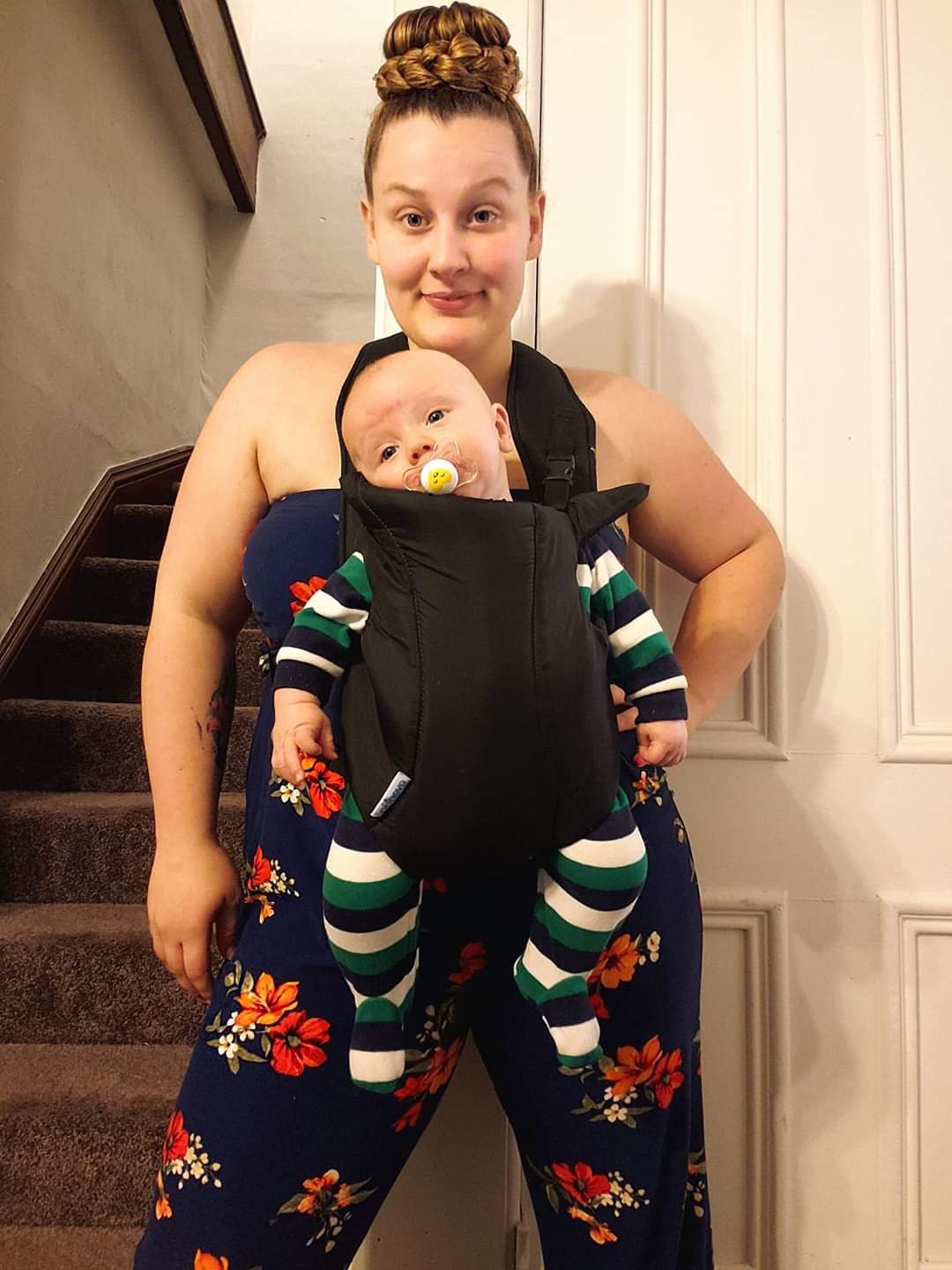
Depression is already something that is not talked about as much as it should be. When it comes to depression after having a child, it is talked about even less. If you have recently had a child, or know someone who has recently had a child and is experiencing the following symptoms, don’t be afraid to reach out for help.
Postpartum Depression, also commonly referred to as PPD is a depression that happens after a woman gives birth to a child. It is very common, with more than 3 million cases diagnosed each year. Symptoms can vary from person to person, but may include:
Mood Changes
Mothers who are experiencing postpartum depression may have changes to their mood. These changes include anger, anxiety, guilt, hopelessness, loss of interest or loss of pleasure in activities once enjoyed. They can also include mood swings or panic attacks.
Whole Body Changes
Abnormal fatigue, as well as loss of appetite are signs of postpartum depression as well. If you or someone you know is experiencing these symptoms as well as others outlined here, never be afraid to reach out for help. Giving birth to a new life is a challenging thing, and often times can disrupt the normal levels of hormones in the body that control how you feel from day to day.
Behavioral Changes
Constant crying, irritability or restlessness are also signs of postpartum depression. It is important to note though that help is always available. It does not make you or anyone else a bad mom to experience these thoughts or feelings. There are over three million cases diagnosed each year, so you are definitely not alone! For some tips that work to help your baby stop crying, click here.
Cognitive/Psychological Changes
Lack of concentration or unwanted thoughts may also be a signal that you or someone you know is struggling with postpartum depression. Becoming a mother and caring for this new little life is taxing, and hormones fluctuate after having a baby. If you are looking to feel better, or simply want to help someone you know feeling this way, help is readily available.
How Can It Be Treated?
There are several ways that postpartum depression can be treated. Of course though, one simple article such as this cannot diagnose anything or replace the advice of a medical professional. If you suspect postpartum depression in yourself or in someone that you know, it is always best to seek out the help of a medical professional. They are trained and ready to help with these sorts of things, and do not judge you based on how you are feeling. They are there to help.
Treatments for postpartum depression include:
- Support Groups
- Cognitive Behavioral Therapy
- Medications
- Self Care & Relaxation Techniques
- Psychotherapy
Not every option is right for every person, and one method that works for one mother may not be the best method of treatment for another. Every person and every situation is unique, which is why consulting a medical professional is the best option when dealing with postpartum depression.
A Note To Remember:
Motherhood is hard. We get tired. We get frustrated. Babies sometimes don’t sleep through the night and wake up every hour on the hour screaming and crying. It is taxing on our sanity from time to time, but having postpartum depression DOES NOT make you a bad mother. Seeking treatment does not make you a bad person, and does not mean you are failing as a mother either. Seeking treatment is the best thing that you can do for yourself, and for yourself as the mother of your new little love. From one new mom to another who understands,
YOU’VE GOT THIS!
XOXO,
Lia

- I Own A Cleaning Company. Half The Deep Clean You’re Paying For Takes Ten Minutes.
- I Had A Baby This Year. The Hospital Sends You Home With More Than Your Packing List Does.
- I Own A Cleaning Company. The Expensive Repair Is Almost Always A Cheap Chore You Skipped.
- I Did Nails For Twelve Years. Your Cuticles Are Not Supposed To Be Cut.
- I Clean Houses For A Living. More Detergent Is Why Your Towels Smell.
 Boss Mom Blog